
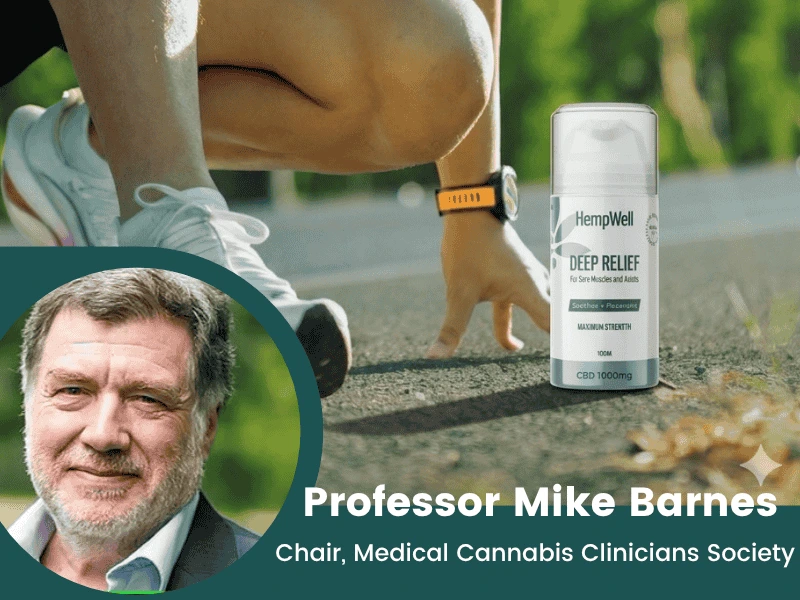
By Professor Mike Barnes MD FRCP, Leading UK Medical Cannabis Authority
Cannabidiol (CBD) cream has become an increasingly popular topical product in the wellness and skincare industries. CBD is derived from the cannabis plant and is one over 140 cannabinoids. Unlike its cousin THC, CBD is a non-intoxicating compound and does not produce a “high,” making it appealing to individuals seeking relief from various conditions without psychoactive effects. CBD creams are applied directly to the skin and thus offer local action that distinguishes them from oral CBD products, such as oils or capsules.
What Is CBD Cream?
CBD cream is a topical formulation infused with cannabidiol, typically blended with other ingredients such as essential oils, moisturisers, and botanical extracts. These creams are designed for external use and are commonly marketed for pain relief, inflammation reduction, and skin health. Because they are applied directly to the skin, CBD creams interact mainly with local skin receptors rather than entering the bloodstream in any significant amount.
Mechanism of Action: How it Works
CBD cream works partly through the body’s endocannabinoid system (ECS). The ECS is a complex cell-signalling system involved in regulating a wide range of physiological processes, including pain sensation, immune response, mood, and skin health. It consists of endocannabinoids (naturally produced compounds), receptors (primarily CB1 and CB2), and enzymes that break down these compounds.
When CBD cream is applied to the skin, it interacts indirectly with the cannabinoid receptors located in the skin’s layers. It thus the influences the ECS and enhances the activity of the body’s natural endocannabinoids. Additionally, CBD interacts with other receptor systems, which play a role in pain perception and inflammation. It may also influence sebaceous gland activity, which is why it is sometimes used in skincare products targeting acne or oily skin.
Common Uses of CBD Cream
Targeted Pain Relief
CBD cream is used for a variety of purposes, often related to localised discomfort or skin conditions. One of the most common uses is pain relief. People with localised arthritis, muscle soreness or joint pain often apply CBD cream directly to the affected area. The localised effect allows for targeted relief without systemic effects.
Another popular use is for inflammation. Conditions such as tendonitis, sprains, or minor injuries may benefit from the anti-inflammatory properties of CBD. Athletes, in particular, have shown interest in CBD creams for post-exercise recovery. CBD is allowed under WADA rules for professional athletes.
Skin Health and Dermatology
CBD cream is also used in dermatology. Some people apply it to manage skin conditions such as eczema, psoriasis, or acne. It can reduce inflammation and regulate oil production. In addition, CBD cream is sometimes used for general skincare and moisturising. Many formulations include nourishing ingredients like shea butter, aloe vera, or coconut oil, which contribute to skin hydration and repair.
CBD cream is also anti-bacterial which means it can be of help in skin infections (but medical advice needed if you wish to use it for that purpose). It has some anti-cancer properties which means it might help some skin cancers but more evidence is required before we can say how much it might help and in what specific conditions.
There is some recent evidence that it might be useful in hair loss (see references below)
Finally, it may help ageing in skin by boosting collagen production and helping hydration.
Potential Side Effects and Safety
CBD is very well-tolerated, especially when used topically. However, side effects can still occur, particularly in individuals with sensitive skin or allergies to other ingredients in the formulation.
One of the more common side effects is skin irritation. This may present as redness, itching, or a rash at the site of application. Often, this reaction is not due to CBD itself but to other components such as fragrances, preservatives, or essential oils. People with known sensitivities should carefully review ingredient lists and consider performing a patch test before use.
As topical CBD is minimally absorbed into the bloodstream, systemic interactions are unlikely although not entirely impossible, especially with frequent or high-dose use over large areas of skin. It’s best to ask your doctor if you are on any medication, especially other medication for pain or skin inflammation.
Frankly, there are not many drawbacks to the cream. Of course, it is not always effective for pain and skin conditions and because it acts locally it may not spread to deeper tissues if the inflammation or pain source is more widespread. However, for most people it is both useful and safe.
Conclusion
CBD cream is a promising option for people seeking localised relief from pain, inflammation, and certain skin conditions. Its mechanism of action involves interaction with the endocannabinoid system and other receptor pathways, contributing to its potential therapeutic effects. It is usually safe and has few side effects. We are in need of more research but the references below link to useful research articles for further reading.
Key References
The Potential Role of Cannabidiol in Cosmetic Dermatology: A Literature Review – PubMed
The Therapeutic Potential of Cannabidiol in Skin Conditions – PubMed
CBD: A Potential Lead against Hair Loss, Alopecia, and its Potential Mechanisms – PubMed
Exploring Cannabidiol (CBD) and Cannabigerol (CBG) Safety Profile and Skincare Potential – PubMed